
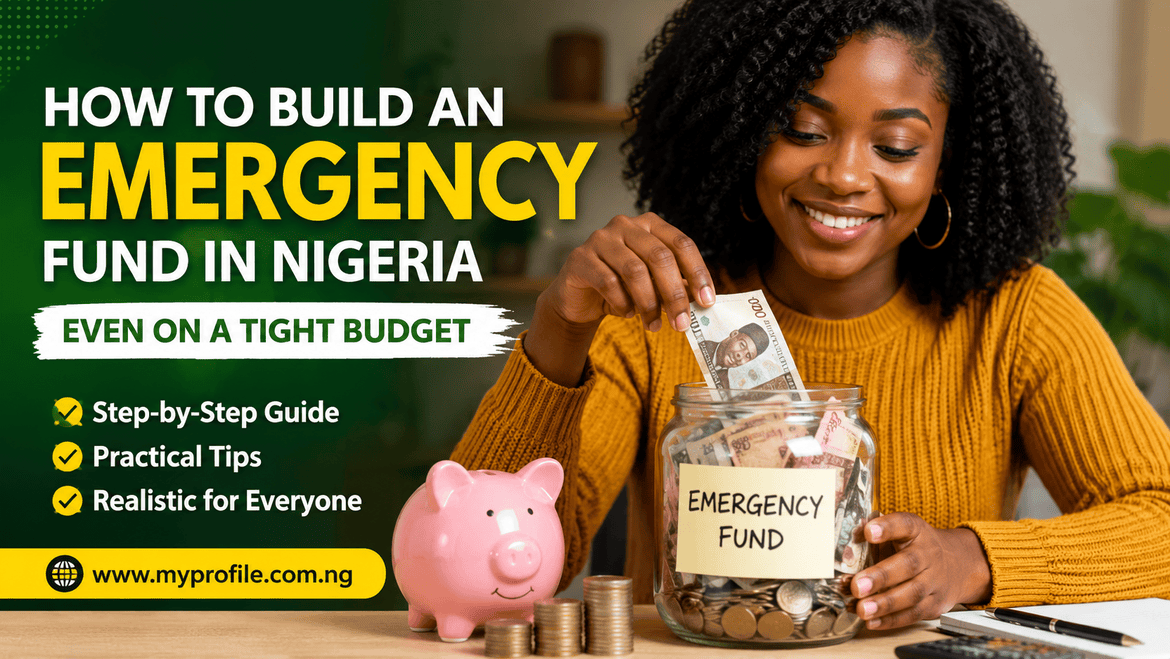
Life in Nigeria has a way of throwing sudden expenses at you, a medical emergency, a job loss, a car breakdown, or an unexpected family obligation. Without a financial cushion, these situations can push you into debt or force you to depend on people who may not always be able to help. That is exactly why an emergency fund matters, no matter how small your income is right now.
The good news is that you do not need a huge salary to start one. What you need is a plan, consistency, and a few smart habits suited to the Nigerian economy. This guide breaks down exactly how to build an emergency fund in Nigeria, even if you are working with a tight budget.
What Is an Emergency Fund and Why Does It Matter?
An emergency fund is money set aside specifically for unplanned expenses, not for shopping, not for “owambe” parties, and not for opportunities that pop up. It exists purely as a safety net.
In a country where inflation can rise quickly and job security is not guaranteed for everyone, having even a small emergency fund can mean the difference between calmly handling a crisis and falling into a debt trap. It also reduces financial stress and gives you room to make better decisions instead of panicked ones.
How Much Should Your Emergency Fund Be?
Financial experts often recommend saving three to six months of living expenses. However, if you are just starting out or working with very little disposable income, that target can feel impossible and even discouraging.
A more realistic approach for many Nigerians is to start with smaller milestones:
- First goal: ₦20,000 to ₦50,000 as a starter fund
- Second goal: One month of your basic expenses (rent, feeding, transport, data)
- Long-term goal: Three to six months of expenses
Starting small keeps you motivated instead of giving up before you begin.
Step-by-Step: How to Build an Emergency Fund in Nigeria on a Tight Budget
1. Track Your Spending First
Many people are surprised to discover how much they spend on small, forgettable purchases like data top-ups, snacks, or transport fares that could be reduced.
Use a simple notebook, a budgeting app, or even your phone’s notes app to record every expense for two weeks. This exercise alone often reveals extra money you did not know you had.
2. Start With a Small, Fixed Amount
commit to saving something consistently, even if it is ₦500 or ₦1,000 a week. Consistency builds the habit, and the habit is what eventually creates real savings.
As your income grows or your expenses reduce, you can gradually increase this amount.
3. Automate Your Savings
If your bank offers an automatic savings feature, use it. Many Nigerian banks and fintech apps allow you to set up automatic transfers right after you receive alerts. This “pay yourself first” method ensures your savings happen before you have the chance to spend the money elsewhere.
4. Use a Separate Account or Digital Savings Tool
Keeping your emergency fund in the same account you use for daily spending makes it too easy to dip into. Instead:
- Open a separate savings account with little to no ATM card access
- Use digital savings apps that offer fixed savings plans with withdrawal restrictions
- Consider a savings account that earns interest, so your money grows slightly over time
The goal is to make the money slightly inconvenient to access, so you are not tempted to spend it on non-emergencies.
5. Leverage Traditional Savings Systems (Ajo/Esusu/Adashe)
Traditional cooperative savings systems like ajo, esusu, or adashe have worked for generations in Nigeria. Contributing a small amount daily or weekly to a trusted group can help build discipline, especially if you struggle with self-control when money is sitting in your personal account.
Just be sure to join groups run by trustworthy, verified collectors to avoid losing your contributions.
6. Cut Back on Non-Essential Expenses
Look for areas where you can reduce spending without drastically affecting your quality of life:
- Cook at home more often instead of buying food outside
- Reduce data and airtime spending by comparing cheaper bundle plans
- Negotiate transport costs or explore more affordable commuting options
Redirect whatever you save from these cuts directly into your emergency fund.
7. Create Additional Income Streams
If cutting expenses is not enough, consider ways to earn extra income, even in small amounts:
- Freelancing skills like writing, graphic design, or virtual assistance
- Selling items you no longer need
- Offering a skill or service within your community
- Taking on part-time or weekend work
8. Set Clear, Written Goals
Write down your target amount and a realistic timeline. For example: “I want to save ₦50,000 in five months by saving ₦2,500 weekly.” Having a clear number and deadline makes the goal feel achievable rather than abstract.
9. Avoid Common Savings Mistakes
- Do not save in a place you can access instantly with your card
- Do not borrow from your emergency fund for non-emergencies
- Do not compare your progress to others, everyone’s income and expenses differ
- Do not give up after missing a contribution; simply continue from where you stopped
10. Review and Adjust Regularly
Every few months, review your budget and savings progress. Adjust your contribution amount as your income or expenses change. The key is flexibility, an emergency fund is a long-term habit, not a one-time task.
Final Thoughts
Building an emergency fund in Nigeria on a tight budget is not about how much you earn, but how consistently you save and how disciplined you are with spending. Start small, automate where possible, use trusted savings tools, and stay consistent. Over time, these small, steady efforts will grow into a financial cushion that gives you real peace of mind.
Frequently Asked Questions (FAQs)
1. How much money is enough for an emergency fund in Nigeria? There is no fixed amount, but a good starting target is one month of your basic living expenses, eventually growing to three to six months as your income allows.
2. Where is the safest place to keep an emergency fund in Nigeria? A separate savings account with limited card access, or a reputable digital savings app with fixed savings features, is generally safer than keeping the money in your main spending account.
3. Can I build an emergency fund with a low or irregular income? Yes. Focus on saving small, consistent amounts rather than large, irregular ones. Even ₦500 to ₦1,000 weekly adds up significantly over time.
4. Is it better to save in naira or foreign currency? This depends on your financial goals and risk tolerance. For short-term emergency funds, keeping money in an easily accessible naira account is usually more practical, since emergencies require quick access to funds.
5. What counts as a real emergency? Genuine emergencies include medical bills, sudden job loss, essential home or vehicle repairs, and urgent family needs. Shopping, vacations, or planned expenses do not qualify.
6. How long does it take to build a solid emergency fund? This varies based on income and spending habits, but with consistent saving, many people build a meaningful starter fund within three to six months.
7. Should I pay off debt or build an emergency fund first? It is often wise to build a small starter emergency fund first (even ₦20,000 to ₦50,000) before aggressively paying off debt, so you are not forced to borrow again when unexpected expenses arise.