Saving money in Nigeria has never been more challenging. Between rising food prices, unpredictable transport costs, and a naira that doesn’t stretch as far as it used to, building a savings culture takes more than good intentions. It takes the right tools.
That’s exactly where savings apps come in. Over the past few years, Nigerian fintech companies have built platforms that automate savings, offer interest rates far higher than what traditional banks provide, and make it genuinely difficult to spend money you’ve promised yourself you won’t touch.
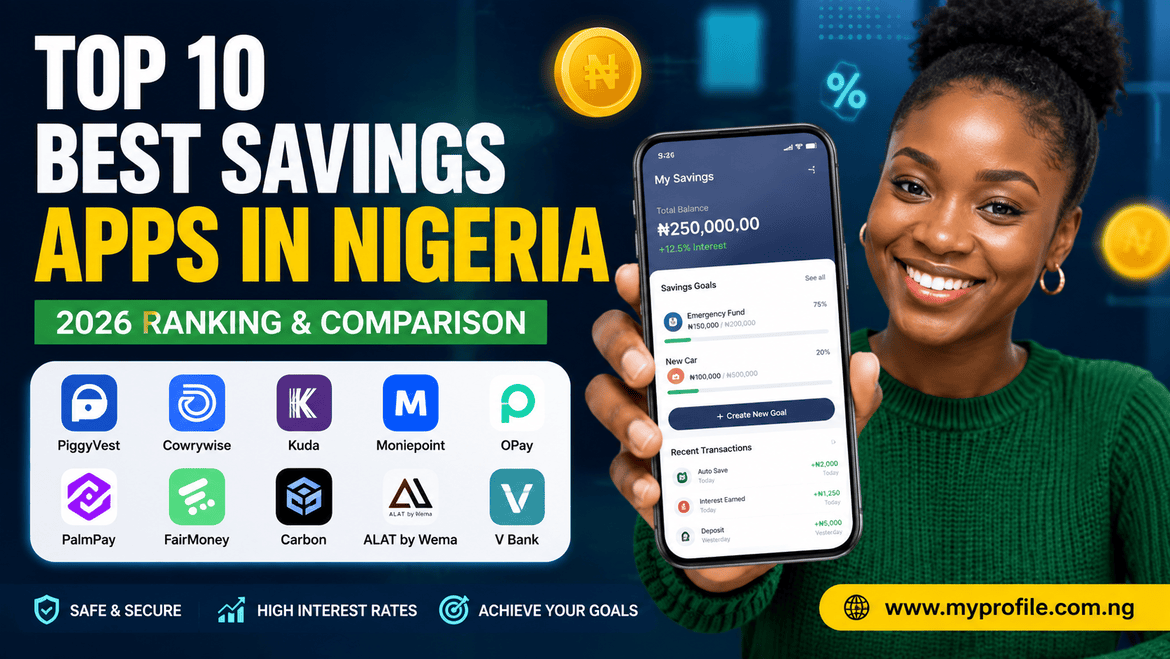
In this guide, we compare and rank the 10 best savings apps in Nigeria for 2026 based on interest rates, regulatory backing, ease of use, and the type of saver each app suits best. Always confirm current interest rates and terms directly on each provider’s official app or website before committing your funds.
1. PiggyVest
PiggyVest remains one of the most recognized names in Nigerian personal finance. It combines flexible savings, target-based savings, and investment opportunities in a single platform. Users can automate daily, weekly, or monthly contributions and lock funds away using its SafeLock feature for higher returns. It suits people who want an all-in-one platform for saving and light investing, and its long track record has made it a trusted option for both beginners and experienced savers.
2. Cowrywise
Cowrywise stands out for blending savings with financial education. The app allows users to save in naira or in dollars through its Flex Dollar feature, which helps protect part of your savings from currency devaluation. Cowrywise also gives access to mutual funds and investment plans regulated by the Securities and Exchange Commission. It’s a strong pick for people who want structure, learning resources, and a bit of investment exposure alongside straightforward saving.
3. Kuda
Kuda is a full digital bank that also offers built-in savings tools, including flexible savings for short-term goals and fixed savings for higher returns over a set period. Because it functions as a complete banking app, Kuda works well for people who want everyday transactions and savings under one roof rather than juggling a separate banking app and savings app.
4. Moniepoint
Originally known for its agent banking network, Moniepoint has grown into a full personal banking platform with a savings feature that offers competitive annual interest
5. OPay
OPay has expanded well beyond its original payments focus and now includes a savings feature that rewards users for keeping funds on the platform. Its wide usage across Nigeria, from transport payments to merchant transactions, makes it convenient for people who want light savings benefits without leaving an app they already use daily.
6. PalmPay
PalmPay allows users to earn interest on money sitting in their wallet while still being able to make transfers and pay bills freely. It’s built for flexibility rather than strict discipline, making it a good fit for people who don’t want to lock their funds away but still want their idle balance working for them.
7. FairMoney
FairMoney is best known for lending, but its savings feature has grown in popularity as a secondary option for users already active on the platform. It offers a simple way to set aside money while keeping access to the app’s other financial services, making it convenient for existing FairMoney users rather than a first choice for dedicated savers.
8. Carbon
Carbon combines digital banking, savings, and access to credit in one app. Users can earn interest on money they save while retaining the option to borrow when a need arises. This dual functionality makes Carbon a practical choice for people who want a safety net that includes both savings and short-term credit access.
9. ALAT by Wema
ALAT, backed by Wema Bank, was one of Nigeria’s earliest fully digital banks. It offers structured savings plans alongside standard banking services and appeals to users who prefer their savings tied to an established, longstanding financial institution rather than a newer fintech startup.
10. V Bank
V Bank is a digital banking app offering savings plans, budgeting tools, and investment options alongside everyday banking features like instant transfers and bill payments. It has built a solid user base thanks to straightforward account opening and a clean, easy-to-navigate interface, making it a good option for savers who also want basic budgeting support.
How These Savings Apps Compare
| App | Best For | Standout Feature |
|---|---|---|
| PiggyVest | All-in-one saving and investing | SafeLock and target savings |
| Cowrywise | Structured, educational saving | Dollar savings (Flex Dollar) |
| Kuda | Banking plus savings | Flexible and fixed savings in one app |
| Moniepoint | Trusted everyday banking | Competitive annual interest |
| OPay | Convenience and daily use | Savings tied to a widely used wallet |
| PalmPay | Flexible, low-commitment saving | Interest on wallet balance |
| FairMoney | Existing loan app users | Simple add-on savings feature |
| Carbon | Saving with credit access | Combined savings and borrowing |
| ALAT by Wema | Bank-backed digital saving | Long-established bank backing |
| V Bank | Saving with budgeting tools | Built-in budgeting features |
How to Choose the Right Savings App for You
Before settling on any app, consider a few key factors. First, look closely at the actual interest rate you’ll earn after any fees or conditions, since advertised rates aren’t always the same as what lands in your account. Second, think about how disciplined a saver you are. If you know you’ll be tempted to withdraw early, a locked savings plan may serve you better than a flexible one. Third, check that the platform is licensed by the Central Bank of Nigeria or regulated by the Securities and Exchange Commission, since regulatory backing adds a layer of protection for your money. Finally, match the app’s features, whether that’s daily auto-save, goal-based plans, or dollar savings, to your own financial habits and goals.
Many Nigerians don’t limit themselves to a single app. It’s common to use one platform for locked, long-term savings and another for everyday flexible banking, spreading both convenience and risk across providers.
Frequently Asked Questions
1. What is the best savings app in Nigeria in 2026? There isn’t a single best option for everyone. It depends on your goals. Apps like PiggyVest and Cowrywise are popular for structured, disciplined saving, while Kuda and Moniepoint suit people who want everyday banking combined with savings.
2. Are savings apps in Nigeria safe to use? Most reputable savings apps are backed by licensed microfinance banks or regulated by the Central Bank of Nigeria or the Securities and Exchange Commission. Before using any app, confirm its regulatory status and read user reviews to gauge reliability.
3. Which savings app offers the highest interest rate? Interest rates change frequently and vary by plan type, such as flexible versus locked savings. It’s best to check each app’s official platform directly for current rates rather than relying on older figures, since providers update their offers regularly.
4. Can I use more than one savings app at once? Yes. Many Nigerians spread their savings across multiple apps to diversify risk and take advantage of different features, such as using one app for locked savings and another for flexible, everyday access.
5. Do savings apps charge fees? Some apps charge withdrawal fees, especially for early withdrawal from locked savings plans, while others are largely free to use. Always review an app’s fee structure before committing funds.
6. Is it better to save in naira or dollars? This depends on your financial goals and risk tolerance. Saving in dollars, through apps that offer this feature, can help protect part of your money from naira depreciation, but it also comes with its own considerations. This article does not constitute financial advice, and you should evaluate your personal circumstances or consult a licensed financial advisor before deciding.
7. What documents do I need to open a savings app account? Most apps require a valid means of identification, such as a National Identification Number (NIN) or Bank Verification Number (BVN), along with basic personal details to complete registration and comply with Know Your Customer (KYC) regulations.