
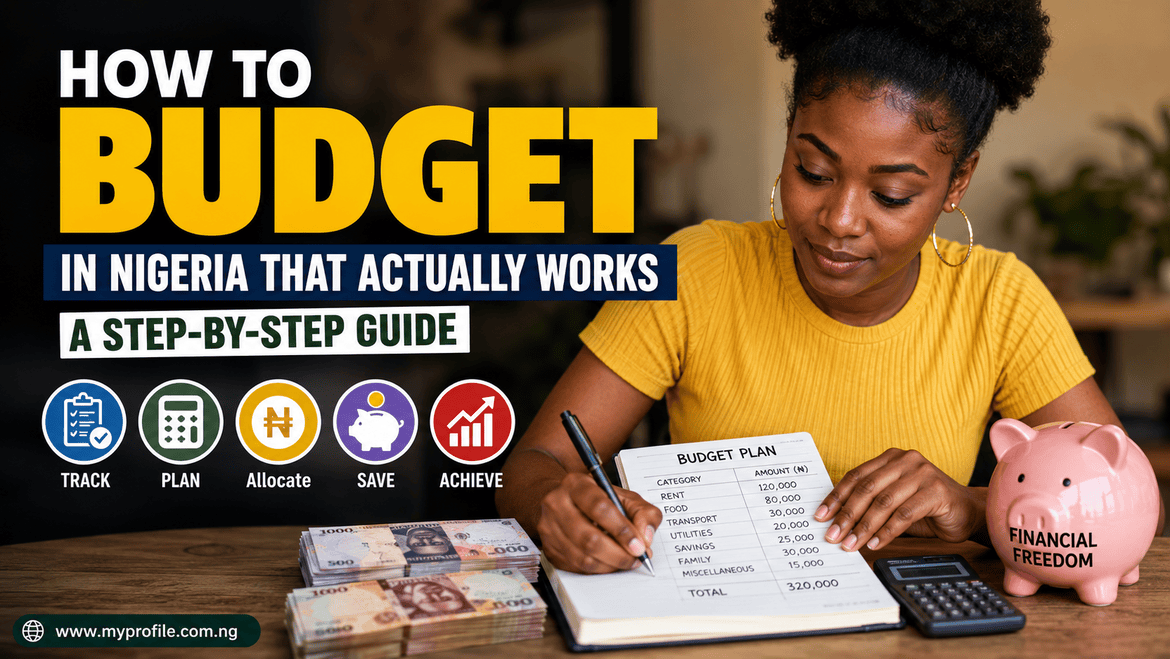
Budgeting sounds simple in theory: spend less than you earn. In practice, especially in Nigeria’s unpredictable economy, sticking to a budget can feel almost impossible. Prices fluctuate, unexpected family needs arise, and transport or feeding costs can shift from one week to the next. Many Nigerians try budgeting once, find it doesn’t survive real life, and give up entirely.
The problem usually isn’t the person, it’s the budget. Rigid, unrealistic budgets copied from generic templates rarely fit the reality of managing income in Nigeria. This guide walks through a step-by-step approach to building a budget that’s flexible enough to survive contact with real life, while still helping you take control of your money.
Why Most Budgets Fail in Nigeria
Before diving into the steps, it helps to understand why budgeting attempts often collapse:
- They’re too strict, leaving no room for social or family obligations that are a normal part of Nigerian life
- They don’t account for irregular income, which is common for traders, freelancers, and informal workers
- They’re based on percentages borrowed from foreign financial advice that doesn’t reflect local costs
- There’s no system for tracking progress, so people lose motivation after a few weeks
A realistic budget accounts for these factors from the start, rather than ignoring them and hoping for the best.
Step 1: Calculate Your True Monthly Income
Start by working out exactly how much you earn each month, after tax and mandatory deductions. If your income varies, common for business owners, artisans, and freelancers, calculate an average based on your last three to six months of earnings. Use the lower end of that average as your baseline so you’re planning conservatively rather than optimistically.
Step 2: List Every Expense Category
Go beyond the obvious categories like rent and transport. Break your spending into clear groups:
- Fixed essentials: rent, electricity, water, school fees
- Variable essentials: feeding, transport, airtime/data
- Family and social obligations: contributions, support for relatives, church or community dues
- Debt repayment: loans, cooperative deductions
- Savings and investments
- Discretionary spending: entertainment, clothing, eating out
Listing categories this way makes it easier to see exactly where adjustments are possible without cutting things that genuinely matter to you.
Step 3: Assign Realistic Amounts to Each Category
This is where many budgets go wrong, people assign amounts based on what they wish they’d spend, not what they actually spend. Use your past two to three months of bank statements, mobile money records, or expense notes to assign realistic figures. If you’ve never tracked spending before, start with your best estimate and adjust after the first month.
A practical starting framework for Nigerian income levels:
- 50-60% Essentials (rent, feeding, transport, utilities)
- 15-20% Family and social obligations
- 10-15% Savings and debt repayment
- 10-15% Discretionary spending
Adjust these ranges based on your specific circumstances, someone renting in Lagos will need a different split than someone living rent-free with family.
Step 4: Separate “Needs” From “Obligations”
In many Nigerian households, family and social contributions are not optional in the way discretionary spending is. Rather than lumping these in with “wants,” give them their own dedicated category with a fixed monthly ceiling. This prevents open-ended requests from derailing your entire budget while still allowing you to meet genuine responsibilities.
Step 5: Build in a Buffer for the Unexpected
Nigerian budgets need flexibility more than most. Fuel scarcity, transport fare increases, sudden health issues, or urgent family needs can appear with little warning. Set aside a small “buffer” category, even 5% of your income, specifically for these situations, separate from your main emergency fund. This prevents one unexpected expense from wrecking your entire monthly plan.
Step 6: Monitor Spending Weekly, Not only Monthly
Reviewing your budget only at the end of the month often means discovering problems too late to fix them. Instead, check your spending against your budget every week. This lets you catch overspending early and adjust your remaining categories before the month runs out.
A simple method: every Sunday, spend ten minutes comparing what you’ve spent so far against your planned amounts for each category.
Step 7: Use Tools That Match Your Lifestyle
Options that work well in the Nigerian context include:
- A notebook with columns for category, planned amount, and actual spending
- Free spreadsheet templates on your phone or computer
- Budgeting features built into Nigerian banking or fintech apps
- Envelope-style cash budgeting, where physical cash is divided into categories
Choose whichever method you’ll actually maintain consistently, the best budgeting tool is the one you use every week, not the most sophisticated one.
Step 8: Automate Savings and Fixed Payments
Where possible, set up automatic transfers for savings and recurring bills as soon as you’re paid. This reduces the temptation to spend money that should be set aside and turns saving into a default action rather than a decision you have to make repeatedly.
Step 9: Review and Adjust Every Month
Your first budget will not be perfect, and that’s expected. At the end of each month, compare your planned amounts to what actually happened. Identify categories where you consistently overspend or underspend, and adjust next month’s figures accordingly. A budget is a living plan, not a fixed rulebook.
Step 10: Be Patient With the Process
Building a sustainable budgeting habit typically takes two to three months of consistent tracking before it starts to feel natural. Expect some months to go off-plan, what matters is returning to the budget rather than abandoning it entirely after one difficult month.
Final Thoughts
A realistic budget isn’t about restricting every naira you spend, it’s about giving every naira a purpose that reflects your actual life, obligations, and goals. By building flexibility into your plan from the start, tracking consistently, and adjusting as circumstances change, you can create a budgeting system that actually survives beyond the first few weeks and helps you manage your income with confidence.
Frequently Asked Questions (FAQs)
1. What is the most effective budgeting method for unstable income in Nigeria? Base your budget on the average of your lowest-earning months rather than your best months, and prioritize essentials and savings first before allocating money to discretionary categories.
2. How much of my income should I save each month in Nigeria? There’s no universal figure, but starting with 10-15% and increasing it as your income grows is a realistic target for many Nigerians managing modest earnings.
3. What percentage of income should go to family obligations? This varies by household, but setting a fixed ceiling, often around 15-20% of income, helps you meet obligations without it consuming your entire budget.
4. How do I budget if my income changes every month? Track your income over several months, calculate an average based on the lower end of that range, and build your budget around that conservative figure rather than your highest-earning month.
5. What’s the easiest way to start budgeting without an app? A simple notebook or phone notes app listing your income, expense categories, and weekly spending works just as effectively as paid software, especially when reviewed consistently.
6. How long does it take to see results from budgeting? Most people start noticing improved control over their spending within one to two months of consistent tracking, with more significant savings growth visible after three to six months.